

On Saturday, Lupe Fiasco’s debut album, Food & Liquor, turned 20 years old.
To me, certain albums are formative in shaping who you become. I have written about a few of those albums in the past, and Food & Liquor is another one that belongs on that list.
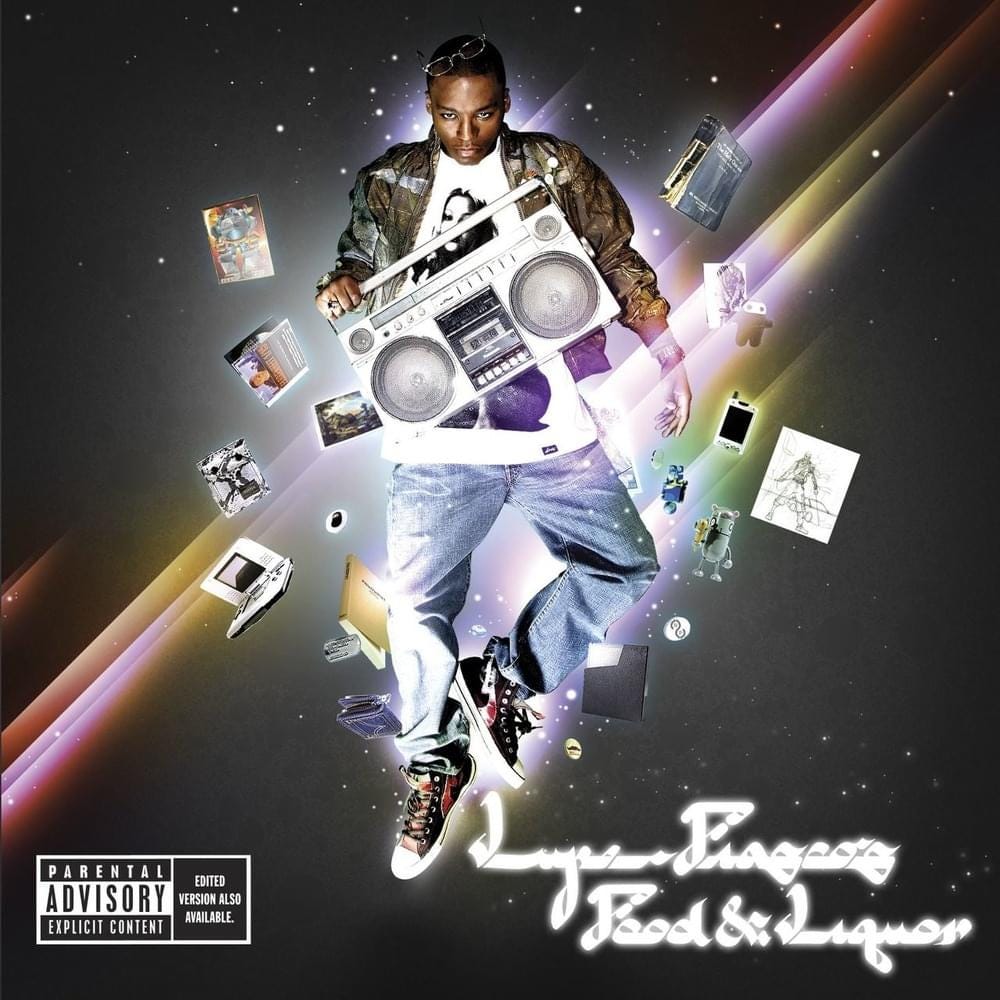
I can vividly remember when I first discovered Lupe, so I’m going to walk you around the world to share the memory.
So boom: I first heard Lupe in high school, during my Kanye West-stan era.
That was also the era when I decided I wanted to be a rapper, so I started a rap group with one of my girlfriends called D. Inc., but the plot twist was that neither of us could rap. I could technically put some bars together, but my breath control mixed with my proper/valley-girl-adjacent diction; it just didn’t sound right.
So I nixed that and went to the next logical place: AOL chatrooms to become a “battle rapper.” I would “freestyle” in the rooms by typing out song lyrics from my favorite rappers, pretending I did, in fact, write them (yes, terrible, I know).
But anyway, this was around the time Kanye West released his sophomore album, Late Registration, which instantly became the soundtrack to my senior year, and one of my favorite songs from that album was “Touch the Sky” featuring Lupe Fiasco—told you I would get to the point.
I remember thinking, who is this guy? So I went into research mode on Limewire1 to find his music and discovered his Fahrenheit 1/15 mixtape series, and when “Kick, Push” came out, I was sold.
When the video came out, I put it on my iPod Video (remember those?) that I got for my graduation and shared it with my parents on the airplane on my graduation trip to New York. My stepmom was baffled to find that the song was about skateboarding, freedom, and growth, and not about childbirth like the title made her think of.
When the Food & Liquor album came out, it instantly became one of my favorites.
As a reader, I would say one of the things that instantly drew me into this album is the storytelling Lupe displayed. Beginning with the album intro, a poem by Ayesha Jaco, which visualizes the title behind the album, and the setting of Lupe’s version of Chicago with the food and liquor stores on every corner, the winos stumbling around, and even the clothes that people were wearing. This continues throughout the album with songs that tell other stories so visual that they could be a book. One of my favorite songs on the album is “He Say She Say,” which tells the same story from two different POVs, which I always found to be very clever.
As you move through the album, one thing is clear: Lupe shows blackness isn't monolithic and gives a voice to the black nerds, or the “blerds.” What has always stayed with me is how much this album holds up without sounding dated. The album touches on themes like faith, politics, freedom, growth, community, and identity, among others, and feels cohesive, which is not easy for a debut album. I have so many favorite songs on the album, but my favorites are, again, “He Say She Say,” “The Cool,” and Pressure,” because who gets Jay-Z on their first album?
I talked to two different friends about the album, and I resonated with both of their thoughts:
“As a fan of the FNF mixtapes, Lupe was one of the first real next-best things in hip-hop, pre-blog era. From that Fader-sponsored "Failure” video to his feature on Kanye’s “Touch the Sky,” to those heavy Jay-Z cosigns — everybody wanted to see what he had in store. A textbook rollout for a new progressive artist dropped right into the 50 Cent/Dipset era of hyper-masculine rap. As a kid who grew up skateboarding and wearing streetwear, it felt like he was speaking directly to me.” - Trey RX
“Lupe doesn’t get the credit or respect earned for the millennial generation of black women and men who were raised in conditions that some never made it out of but were protected because of how “different” we were. The neighborhood protected our “weirdness,” and we actually had a soundtrack that spoke for us instead of against us.” - Mike
No Sense in Wishing by Lawrence Burney
Both Trey's and Mike’s points made me think of a book that I read last year, No Sense in Wishing by Lawrence Burney.
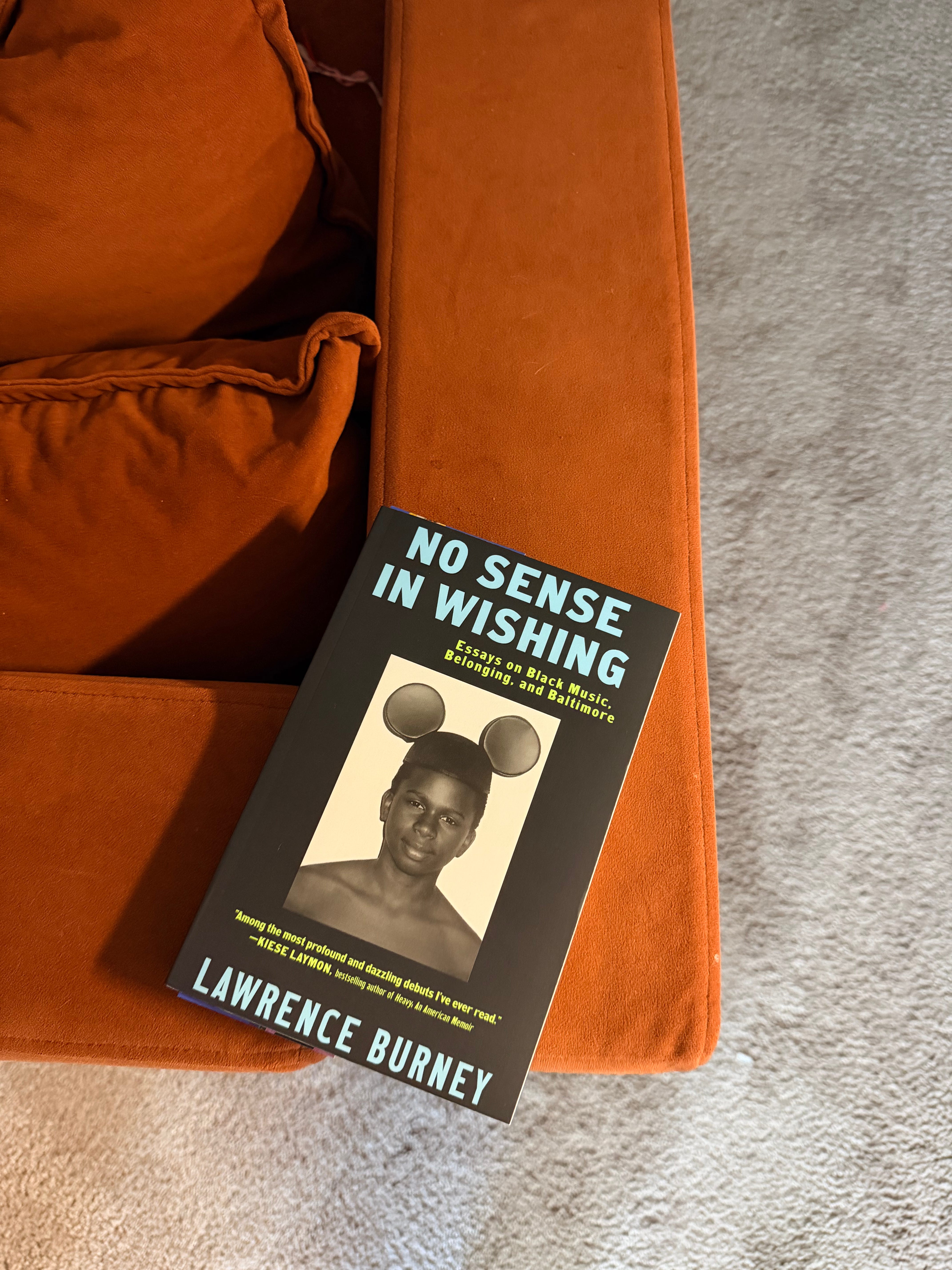
The book was a collection of essays that Lawrence wrote about his home of Baltimore, the traditions that raised and shaped him, and music throughout the Global Diaspora. I loved reading the essays because they made me think about growing up in the Bay Area, the traditions that raised and shaped me, and the impact music has had on my life (you can read my review of the book here).
In that book, one chapter stuck out to me so much, and that was the chapter on how he first discovered Lupe Fiasco at his cousin’s graduation party, and while our initial introduction to Lupe was somewhat different, the sentiments felt familiar. In that chapter, Lawrence says Lupe was the counter to Lil Wayne, Young Jeezy, and other acts, but he was the mainstream version of the college-friendly backpack rap bubbling in the underground.
Lupe was a key force in adding another, much-needed layer to the caricature-level, larger-than-life 2000s rap canon. Acts like him, Kid Cudi, the Cool Kids, the Pack, and Wale started to kick the door down after Kanye cleared the way with raps that embraced more vulnerability than most were used to. They projected images that were more indicative of school kids who hung out at malls than on the streets. Their truth was paramount in contextualizing the straight Black American male experience from a more three-dimensional view.
Reading that chapter, I thought about me on that airplane with the iPod Video, trying to explain to my stepmom why a song called “Kick, Push” was the most important thing I’d heard in months, but I didn’t necessarily have the language to fully articulate my point. With this chapter, Burney puts words to some of those initial feelings. The three-dimensional Black experience. The permission to be fully and completely yourself.
And I will say, twenty years later, Food & Liquor still ups up.
blast from the past for sure
Wow, I can’t believe this album is 20 years old now. I remember listening to Kick Push like it was yesterday. This album always inspired me growing up as a teenager.
As someone that ❤️’d and studied Lupe’s work growing up - I thoroughly enjoyed reading this - you hit so many notes. I had the same reaction hearing him on Touch the Sky (also, a soundtrack to parts of my life). It’s a shame he doesn’t get the recognition he deserves. Thanks for writing this!